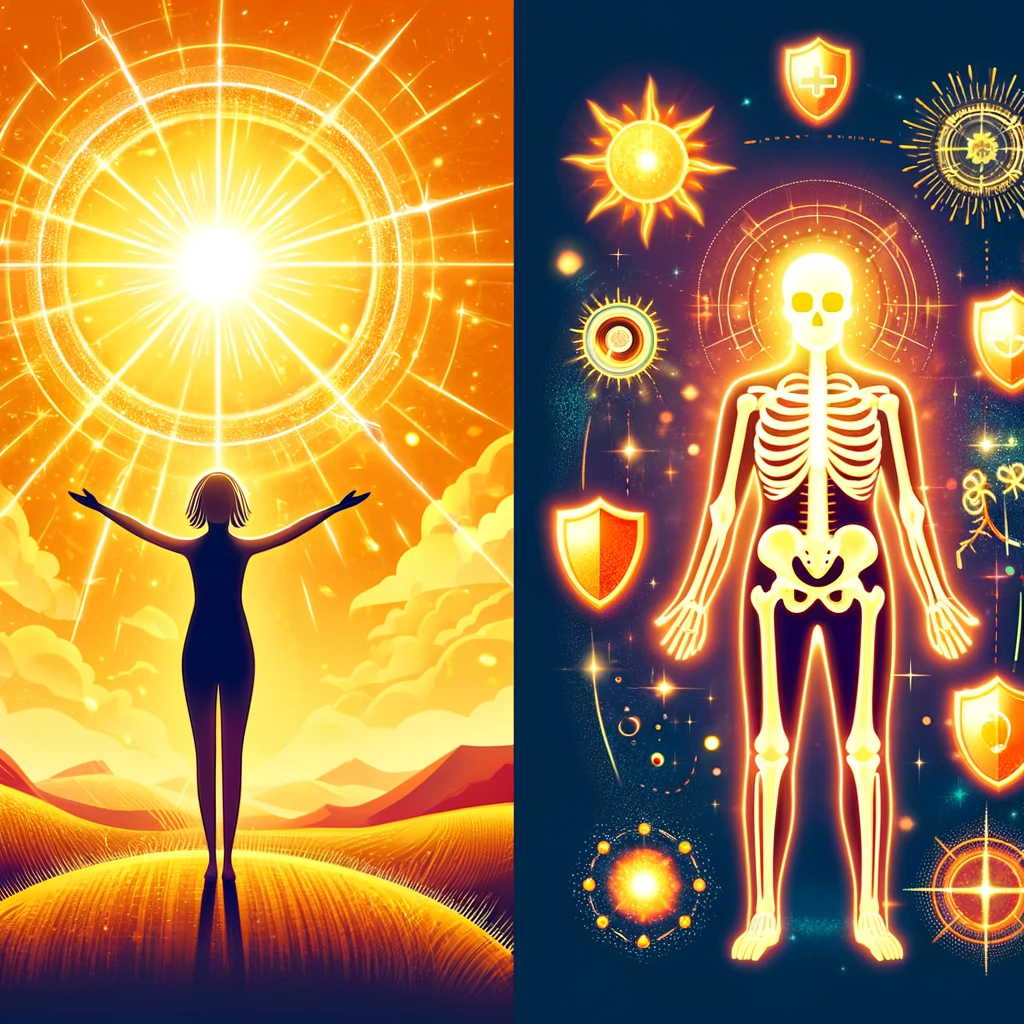
Vitamin D – the key to strong bones, a strong immune system, and more energy
Did you know that vitamin D is often called the ”sunshine vitamin”? And for good reason – our body produces this vital vitamin when the skin is exposed to the sun’s rays. But what happens during the dark winter months, when the sun barely peeks out? And how do we make sure we get vitamin D to keep us healthy all year round?
Here we guide you through everything you need to know about vitamin D – why it’s so important, to how best to get it.
Why do we need vitamin D?
Vitamin D is not just a vitamin – it is a real multitasker in the body. Here are some of its key features:
Strong bones and teeth: Vitamin D helps the body absorb calcium and phosphorus, two essential minerals for building and maintaining strong bones and teeth. Without enough vitamin D, children can suffer from rickets (soft, misshapen bones) and adults from osteoporosis.
A well-functioning immune system: Vitamin D is like a ”boost” for the immune system. It helps the body fight infections such as colds and flu, especially during the winter months.
Muscles and balance: Vitamin D also plays a role in muscle function and strength. In the elderly, deficiency can increase the risk of falls and fractures.
Mood and brain health: Research shows that vitamin D can affect brain function and our mood. Low levels have been linked to fatigue, difficulty concentrating, and even depression.
How much vitamin D do you need every day?
How much vitamin D we need depends on age, life situation, and where we live. Here are the Swedish nutritional recommendations (NNR):
Barn under 2 years: 10 micrograms per day.
Children and adults up to 75 years: 10 micrograms per day.
Pregnant and breastfeeding: 10 micrograms per day.
People over 75: 20 micrograms per day.
One can be higher during the winter months, or if you get very little sun. People with darker skin also need more vitamin D, as their skin does not absorb the sun’s UV rays as effectively.
What happens with vitamin D deficiency?
Getting too little vitamin D can lead to several health problems. Here are some of the more common consequences:
Weak bones and osteoporosis: Without enough vitamin D, the body cannot absorb calcium properly. This can lead to osteoporosis in adults and rickets in children.
Muscle weakness: Lack of vitamin D can weaken muscles and lead to poor balance, a common cause of falls in the elderly.
Increased risk of infection: If the immune system does not function optimally, the body becomes more susceptible to infections, such as colds or flu.
Fatigue and depression: Low levels of vitamin D can affect the brain and contribute to low mood or even seasonal depression (so-called SAD – Seasonal Affective Disorder).
Increased risk of chronic diseases: Research shows that long-term deficiencies can be linked to diseases such as cardiovascular disease and diabetes.
That way you get a lot of vitamin D
Fortunately, there are several ways to get vitamin D – and it doesn’t have to be difficult! Here are your top three sources:
- Sunlight – the natural source
When the sun shines on the skin, the body produces vitamin D. In the summer, 15–30 minutes of sun exposure a few times a week is often enough to cover the must. But remember:
During the winter months (October–March), the sun’s UVB rays are too weak in Sweden for us to be able to produce vitamin D.
Too much sun can increase the risk of skin damage and cancer, so avoid overexposure. - Food containing vitamin D
If the sun is not enough, with the next best source. Here are some foods that are rich in vitamin D:
Fatty fish: Salmon, mackerel, herring and sardines are great sources.
Egg yolk: An easy way to get some extra vitamin D.
Fortified products: Many milk products, plant-based drinks, and margarine are fortified with vitamin D. - Dietary supplements
If it is difficult to get enough vitamin D through sunlight food supplements can be a good solution. This applies in particular to:
People living in northern latitudes (such as Sweden).
People with darker skin tones.
Elderly or those who rarely stay outdoors.

Summary
Vitamin D is vital for both your physical and mental health. By combining sunlight, vitamin D-rich foods and, if necessary, supplements, you can require your body to get the amount it needs to feel good. Remember that small changes in your everyday life – like a walk in the sun or a piece of fatty fish for dinner – can make a big difference to your health.
Take care of yourself and stock up on the sunshine vitamin – your body will thank you!
 Amalshalsblogg.com