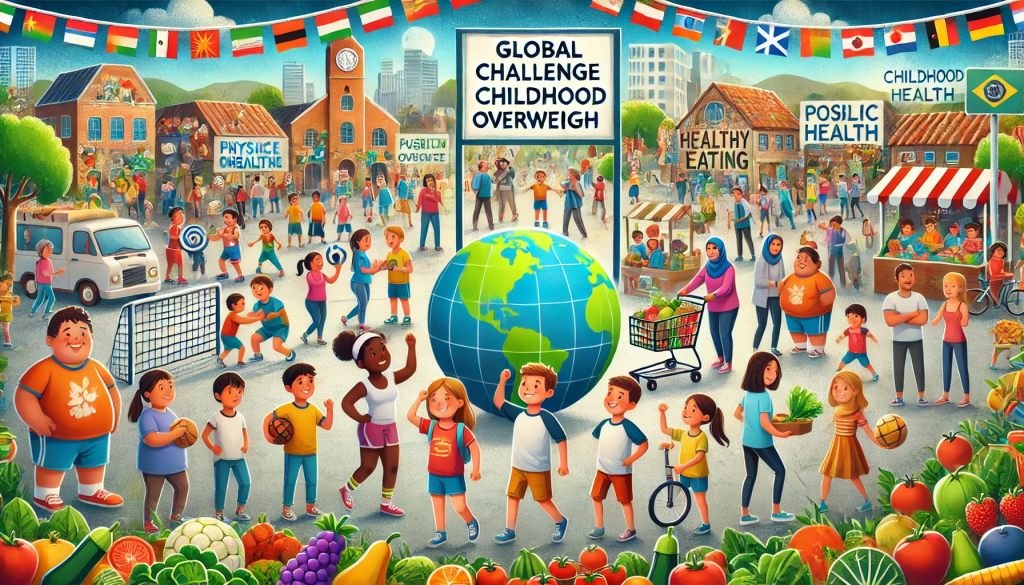
Globally, childhood overweight and obesity are serious problems. In 2022, over 37 million children under the age of 5 were overweight. For children aged 5-19, the figure was even higher, with over 390 million overweight, including 160 million living with obesity. These numbers are increasing rapidly, especially in regions such as America, where the prevalence of overweight children is highest. In the United States, for example, about 21% of children aged 10-19 are living with obesity.
This increase in childhood obesity is not limited to rich countries; Low- and middle-income countries in Africa, Asia, and Latin America are also experiencing a sharp increase. Countries such as Mexico and Argentina have high childhood obesity rates, with projections indicating that the numbers will continue to rise if preventive measures are not taken. By 2035, nearly 400 million children globally are expected to be overweight or obese, doubling the number from 2020. The increase is particularly severe in regions where resources to address the problem are scarce, posing an economic challenge and health risks.
Addressing this crisis requires comprehensive efforts, including promoting healthier diets, increasing physical activity, and addressing obesity in schools and communities worldwide. Yes, extensive efforts are required on several fronts. To promote healthier diets, schools and communities must encourage better nutritional choices through education, access to nutritious foods, and policies that regulate the marketing of unhealthy products to children. In addition, physical activity needs to be promoted through safer urban environments, playgrounds, and adapted sports programs in schools.
Environments that promote obesity, such as areas with limited access to nutritious food and opportunities for physical activity, must also change. Changes can involve urban planning as much as possible in more physical activity and guidelines that facilitate healthier eating habits through e.g. tax on sugary drinks. Effective interventions require collaboration between governments, schools, health systems, and community organizations to achieve sustainable improvements at the global level.
 Amalshalsblogg.com