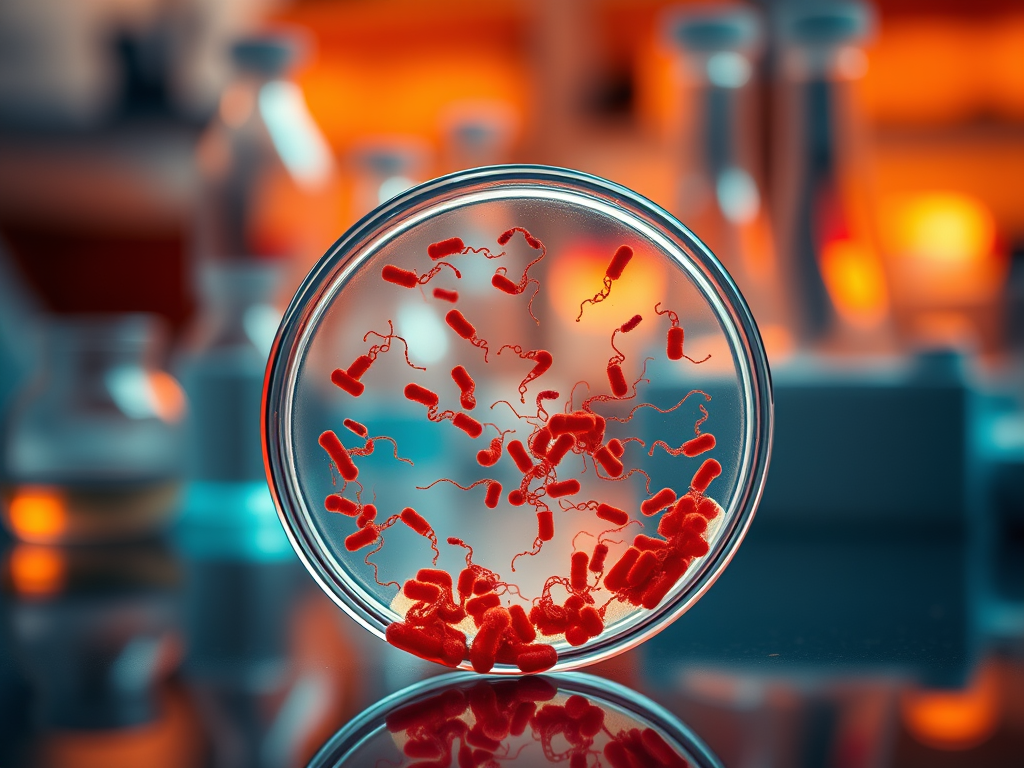
Helicobacter pylori, a bacterium that infects the stomach, is present in approximately half of the world’s population. In most cases, the infection remains symptom-free, but in some people, it leads to chronic inflammation that can develop into ulcers. In more serious cases, the bacterium can also cause stomach cancer, one of the deadliest forms of cancer globally.
New variant of Helicobacter pylori bacterium discovered: Possible link to increased risk of gastric cancer
Researchers at the University of Gothenburg, among others, have recently identified a new variant of the well-known stomach-infecting bacterium Helicobacter pylori. The new variant, Hardy, is believed to provide valuable insights into why certain types of bacteria can increase the risk of stomach cancer.
The researchers behind the discovery hope that studying the Hardy variant will help explain why some infections lead to serious illness, while others remain harmless. This research could pave the way for new diagnostic tools and treatment methods that can better identify and fight dangerous infections before they lead to cancer.
While much is still unknown about the Hardy variant, the research team looks forward to continuing to investigate its genetic characteristics and its link to cancer development.
This discovery represents an important step forward in the fight against gastric cancer and underlines the importance of continued research in the field of infectious diseases and their link to cancer.
 Amalshalsblogg.com