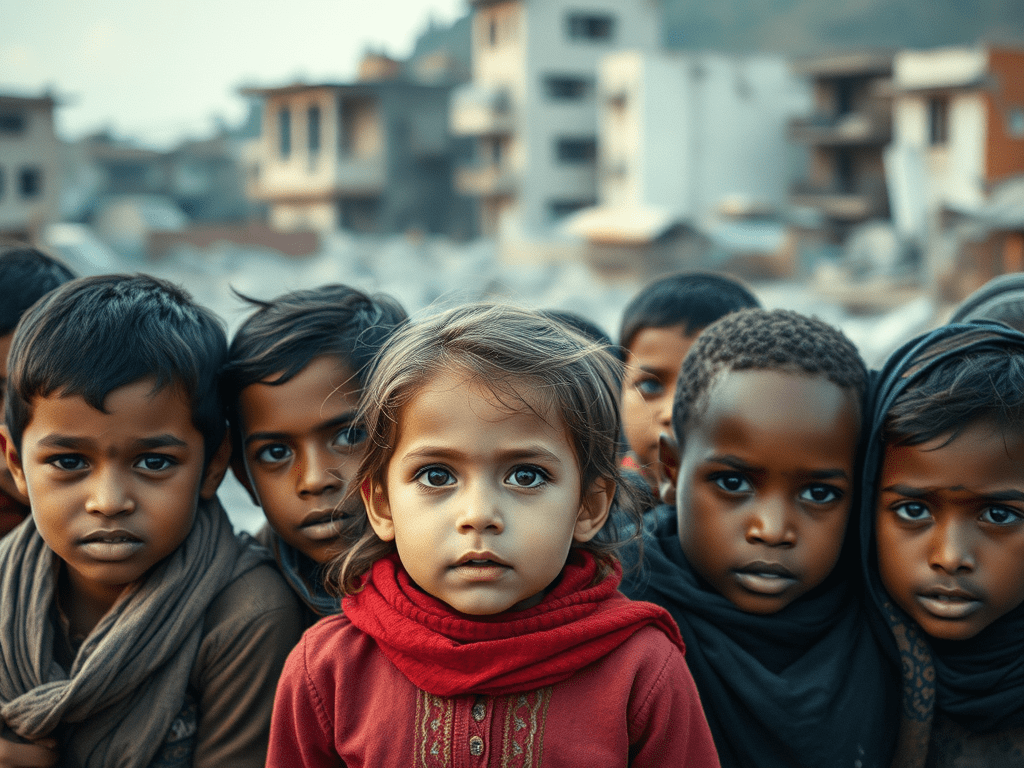
The paper’s findings resonate deeply in today’s context, where millions of children around the world are experiencing trauma caused by war, hunger, displacement, and violence. Children growing up in conflict zones or facing extreme poverty and famine are exposed to intense, ongoing stress. This exposure disrupts their developmental trajectories, often leading to profound psychological and physical consequences that persist into adulthood. Children who experience such trauma may struggle with feelings of safety and stability, and they may internalize fear, helplessness, and distrust of the world around them.
Their future is often marred by:
- Higher Risks of Mental Health Issues: Children exposed to war and hunger are at high risk for PTSD, anxiety, and depression, which may impair their ability to function normally in society.
- Educational and Cognitive Setbacks: Exposure to violence and deprivation affects concentration, memory, and academic performance, reducing future employment opportunities.
- Social and Behavioral Problems: These children may exhibit aggression or social withdrawal, making it difficult to form relationships or integrate into peaceful societies.
- Physical Health Decline: Long-term stress can weaken immune responses and increase susceptibility to chronic illnesses.
- The trauma these children experience today shapes not only their individual futures but also the future of their communities and countries. Addressing these children’s psychological, educational, and health needs is critical to fostering more stable, peaceful societies in the long run.
- By examining the developmental, psychological, and societal effects of childhood trauma, this paper reinforces the urgent need for global attention to children’s mental and physical well-being, especially in regions affected by war and deprivation.
 Amalshalsblogg.com