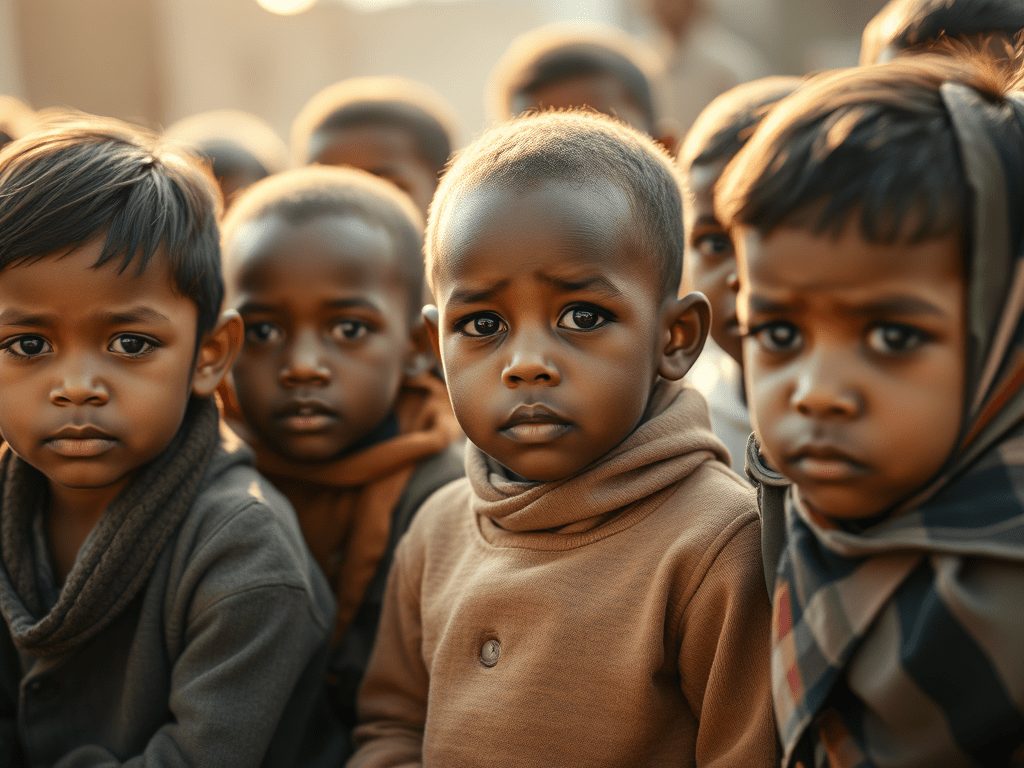
Meta Description: Discover the pressing global issues impacting children and young people today, including health crises, conflicts, economic instability, food insecurity, and mental health concerns.
Children and young people worldwide are grappling with a multitude of challenges that threaten their well-being and future prospects. From health crises and armed conflicts to economic instability and mental health struggles, these issues are interwoven and require immediate global attention. This article explores these pressing concerns, emphasizing the urgent need for collective responsibility and action.
1. Global Health Challenges
Lack of Access to Healthcare
Millions of children lack access to basic healthcare services. Inadequate medical facilities, a shortage of healthcare professionals, and financial constraints hinder the provision of essential treatments and vaccinations.
Impact of Pandemics
Global pandemics disproportionately affect children in vulnerable communities. Disruptions in healthcare services and education exacerbate existing health issues, leading to long-term consequences on their development.
Malnutrition and Disease
Malnutrition weakens immune systems, making children more susceptible to diseases like malaria, tuberculosis, and HIV/AIDS. Addressing nutritional deficits is crucial for improving global child health outcomes.
2. The Impact of War and Conflict
Displacement and Loss of Education
Armed conflicts force families to flee their homes, leading to widespread displacement. Displaced children often lose access to education, hindering their learning and development.
Physical and Psychological Trauma
Exposure to violence causes both physical injuries and psychological trauma. Children affected by war may experience anxiety, depression, and post-traumatic stress disorder (PTSD), requiring long-term support.
Child Soldiers
In some regions, children are recruited as soldiers, exposing them to extreme violence and depriving them of their childhood and education.
3. Economic Instability and Poverty
Unemployment and Financial Strain
Economic downturns increase unemployment rates, affecting families’ ability to provide for their children. Financial strain can lead to inadequate housing, nutrition, and access to education.
Lack of Access to Education
Poverty often forces children to drop out of school to work and support their families. This perpetuates the cycle of poverty and limits future opportunities.
Income Inequality
Widening income gaps exacerbate disparities in access to resources, healthcare, and education, disproportionately affecting children from low-income families.
4. Food Insecurity and Malnutrition
Hunger and Starvation
Food insecurity leads to hunger and, in severe cases, starvation. Millions of children suffer from chronic hunger, impacting their physical and cognitive development.
Stunted Growth
Persistent malnutrition causes stunted growth, which has irreversible effects on health and productivity in adulthood.
Global Hunger Statistics
According to the World Food Programme, approximately 66 million primary school-age children attend classes hungry across the developing world, highlighting the scale of the issue.
5. Mental Health Crisis Among Youth
Rising Rates of Anxiety and Depression
Mental health issues among young people are on the rise due to various factors, including academic pressure, social issues, and exposure to global crises.
Impact of Social Media
While social media connects people globally, it can also contribute to feelings of inadequacy, bullying, and anxiety among youth.
Lack of Mental Health Resources
Many communities lack adequate mental health services, leaving young people without the support they need to manage their mental health effectively.
6. The Need for Global Responsibility
International Cooperation
Addressing these global challenges requires collaboration between nations, organizations, and communities to develop and implement effective solutions.
Policy Changes
Governments must enact policies that prioritize children’s health, education, and well-being, ensuring that resources are allocated to address these critical issues.
Role of Governments and NGOs
Non-governmental organizations play a pivotal role in providing aid and advocating for policy changes. Governments must work alongside NGOs to amplify efforts and reach vulnerable populations.
The many challenges facing children and young people today is a global concern that demands immediate action. Health crises, war, economic instability, food insecurity, and mental health issues are interlinked problems that cannot be addressed in isolation. Governments, organizations, and individuals worldwide must take collective responsibility for creating a safer, healthier, and more equitable future for the younger generation.
Meta Description: Discover the pressing global issues impacting children and young people today, including health crises, conflicts, economic instability, food insecurity, and mental health concerns.
Children and young people worldwide are grappling with many challenges that threaten their well-being and future prospects. From health crises and armed conflicts to economic instability and mental health struggles, these issues are interwoven and require immediate global attention. This article explores these pressing concerns, emphasizing the urgent need for collective responsibility and action.
1. Global Health Challenges
Lack of Access to Healthcare
Millions of children lack access to basic healthcare services. Inadequate medical facilities, a shortage of healthcare professionals, and financial constraints hinder the provision of essential treatments and vaccinations.
Impact of Pandemics
Global pandemics disproportionately affect children in vulnerable communities. Disruptions in healthcare services and education exacerbate existing health issues, leading to long-term consequences on their development.
Malnutrition and Disease
Malnutrition weakens immune systems, making children more susceptible to diseases like malaria, tuberculosis, and HIV/AIDS. Addressing nutritional deficits is crucial for improving global child health outcomes.
2. The Impact of War and Conflict
Displacement and Loss of Education
Armed conflicts force families to flee their homes, leading to widespread displacement. Displaced children often lose access to education, hindering their learning and development.
Physical and Psychological Trauma
Exposure to violence causes both physical injuries and psychological trauma. Children affected by war may experience anxiety, depression, and post-traumatic stress disorder (PTSD), requiring long-term support.
Child Soldiers
In some regions, children are recruited as soldiers, exposing them to extreme violence and depriving them of their childhood and education.
3. Economic Instability and Poverty
Unemployment and Financial Strain
Economic downturns increase unemployment rates, affecting families’ ability to provide for their children. Financial strain can lead to inadequate housing, nutrition, and access to education.
Lack of Access to Education
Poverty often forces children to drop out of school to work and support their families. This perpetuates the cycle of poverty and limits future opportunities.
Income Inequality
Widening income gaps exacerbate disparities in access to resources, healthcare, and education, disproportionately affecting children from low-income families.
4. Food Insecurity and Malnutrition
Hunger and Starvation
Food insecurity leads to hunger and, in severe cases, starvation. Millions of children suffer from chronic hunger, impacting their physical and cognitive development.
Stunted Growth
Persistent malnutrition causes stunted growth, which has irreversible effects on health and productivity in adulthood.
Global Hunger Statistics
According to the World Food Programme, approximately 66 million primary school-age children attend classes hungry across the developing world, highlighting the scale of the issue.
5. Mental Health Crisis Among Youth
Rising Rates of Anxiety and Depression
Mental health issues among young people are on the rise due to various factors, including academic pressure, social issues, and exposure to global crises.
Impact of Social Media
While social media connects people globally, it can also contribute to feelings of inadequacy, bullying, and anxiety among youth.
Lack of Mental Health Resources
Many communities lack adequate mental health services, leaving young people without the support they need to manage their mental health effectively.
6. The Need for Global Responsibility
International Cooperation
Addressing these global challenges requires collaboration between nations, organizations, and communities to develop and implement effective solutions.
Policy Changes
Governments must enact policies prioritizing children’s health, education, and well-being, ensuring that resources are allocated to address these critical issues.
Role of Governments and NGOs
Non-governmental organizations play a pivotal role in providing aid and advocating for policy changes. Governments must work alongside NGOs to amplify efforts and reach vulnerable populations.
Conclusion
The many challenges facing children and young people today are a global concern that demands immediate action. Health crises, war, economic instability, food insecurity, and mental health issues are interlinked problems that cannot be addressed in isolation. Governments, organizations, and individuals worldwide must take collective responsibility for creating a safer, healthier, and more equitable future for the younger generation.
 Amalshalsblogg.com