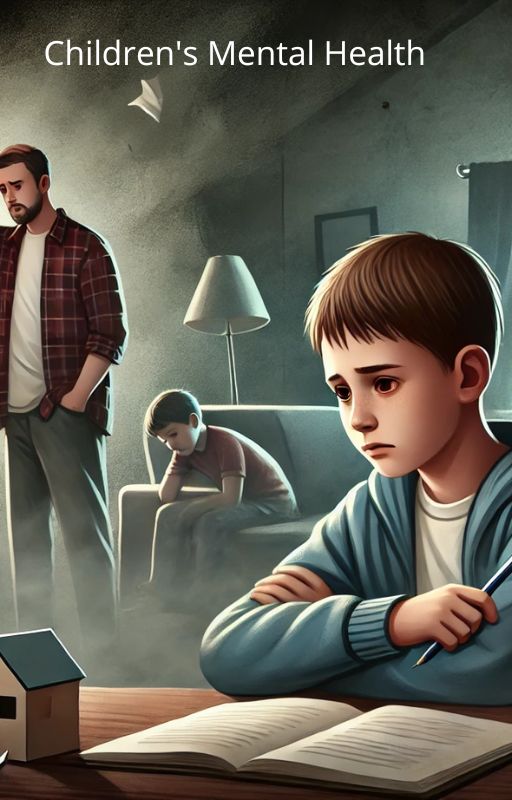
Family stressors, such as divorce, financial difficulties, or ongoing conflict, can deeply affect a child’s mental health, particularly during the sensitive developmental period between the ages of 9 and 15. This is a time when children are already navigating significant emotional, social, and psychological changes, and the added burden of family stress can make this journey even more challenging.
Divorce is one of the most common family stressors that children may face. The breakdown of a family unit can create feelings of loss, confusion, and insecurity. Children may worry about their future, the well-being of their parents, or their own place in the new family dynamic. This uncertainty can manifest as anxiety, depression, or behavioral issues, as they struggle to process and adapt to the changes around them.
Financial Stress Financial difficulties can also place a significant emotional burden on children. When a family is struggling to make ends meet, children might pick up on the tension, worry about their basic needs, or feel guilty for being a perceived burden. The stress of financial instability can lead to feelings of fear and insecurity, making it difficult for children to focus on school, friendships, or hobbies. Over time, this stress can contribute to anxiety and low self-esteem.
Ongoing Conflict Conflict within the family, whether between parents or other family members, can create a tense and unpredictable home environment. Children exposed to constant arguing or hostility may develop chronic stress, which can lead to mental health issues like anxiety or depression. They might feel caught in the middle of disputes, or powerless to change the situation, which can erode their sense of safety and stability.
Emotional Consequences The emotional impact of these stressors often extends beyond the immediate situation. Children in stressed families might struggle with trust issues, have difficulty forming healthy relationships, or develop a pessimistic outlook on life. These emotional consequences can affect their social development and academic performance, potentially leading to long-term mental health challenges if not addressed.
Supporting Children Through Family Stress Parents and caregivers must recognize the signs of stress in children and provide the necessary support. Open communication, reassurance, and maintaining routines can help children feel more secure. In some cases, professional counseling or therapy may be needed to help them process their emotions and build resilience.
 Amalshalsblogg.com