Overview of Global Conflicts
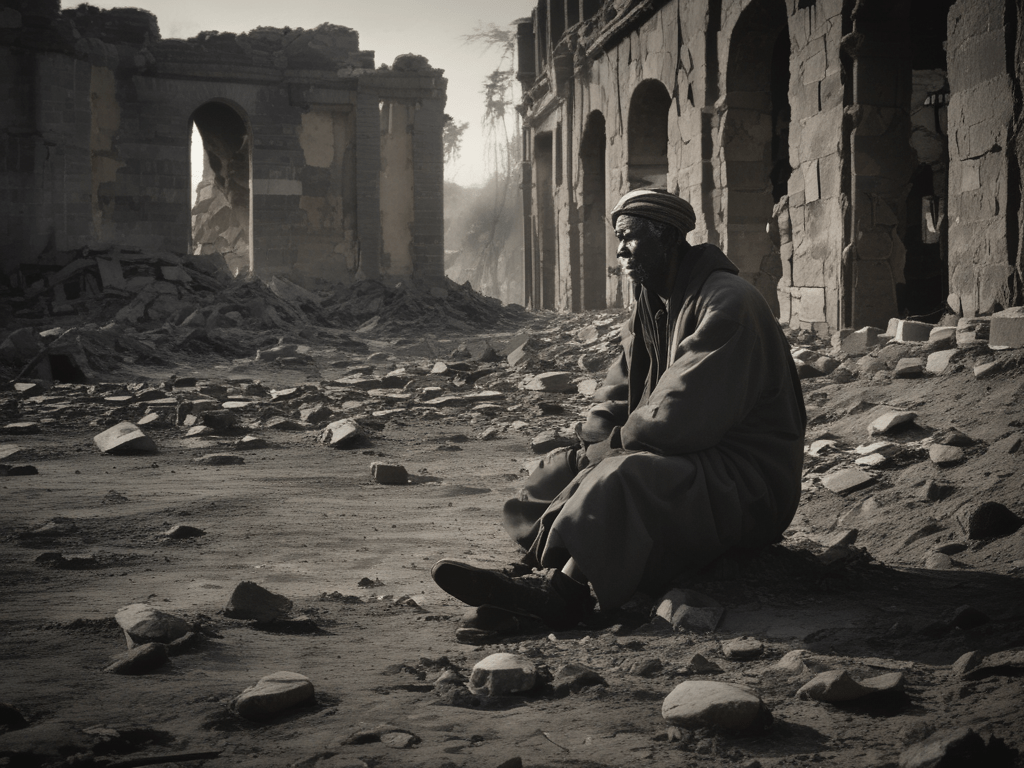
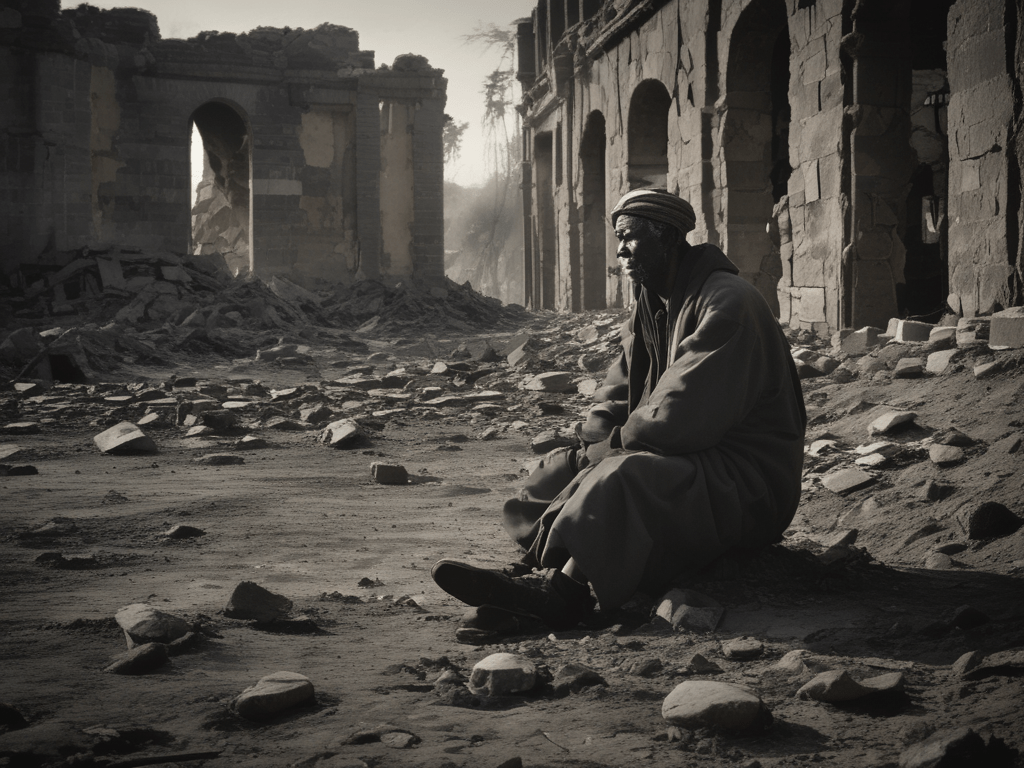
Throughout history, human conflict has been a significant cause of suffering and death. Wars, whether driven by territorial disputes, ideological differences, or power struggles, have claimed millions of lives. In recent decades, conflicts in various parts of the world have continued to take a heavy toll on human life. From the protracted civil wars in Africa and the Middle East to the more recent upheaval in Eastern Europe, these conflicts have led to widespread devastation and loss of life.
Death Toll from Conflicts
The death toll from conflicts varies greatly depending on the intensity and duration of the war.
World Wars The two World Wars of the 20th century remain the deadliest conflicts in human history. World War I resulted in the deaths of an estimated 16 million people, while World War II claimed over 70 million lives, including those lost in the Holocaust.
Recent Conflicts**: In the 21st century, conflicts have continued to ravage countries and regions. The Syrian Civil War, which began in 2011, has caused over 500,000 deaths and displaced millions. The conflict in Yemen, ongoing since 2014, has resulted in tens of thousands of deaths, with many more succumbing to the effects of famine and disease exacerbated by the war. The war in Ukraine, which escalated in 2022, has also caused significant loss of life, with thousands of military and civilian casualties reported.
Civilian Casualties Modern warfare increasingly affects civilians, who often bear the brunt of the violence. According to estimates, civilians account for a large proportion of the casualties in conflicts such as those in Iraq, Afghanistan, and Sudan. Indirect deaths resulting from war-induced famine, lack of healthcare, and displacement further compound the human cost of conflict.
Impact Beyond Deaths
The consequences of war extend far beyond the immediate loss of life. Conflicts often lead to the destruction of infrastructure, including hospitals, schools, and homes, leaving survivors in dire conditions. The displacement of populations creates refugee crises, as millions flee their homes in search of safety, often facing dangerous journeys and uncertain futures. Additionally, wars leave deep psychological scars on survivors, with many suffering from post-traumatic stress disorder (PTSD) and other mental health issues.
In war-torn regions, the breakdown of law and order can lead to the proliferation of violence and crime, further endangering lives. The economic impact of war can also be devastating, with entire economies crippled, leading to poverty and hunger that persist long after the fighting stops.
The Global Response
In response to these devastating conflicts, the international community has made efforts to mediate peace, provide humanitarian aid, and rebuild war-torn regions. Organizations like the United Nations (UN) play a crucial role in peacekeeping and conflict resolution. However, the effectiveness of these efforts often depends on the cooperation of conflicting parties and the international community’s willingness to intervene.
Despite these challenges, the goal remains to reduce the human cost of conflict through diplomacy, humanitarian assistance, and post-conflict reconstruction. The scars of war run deep, but global efforts to prevent and resolve conflicts are essential in minimizing the loss of life and helping affected populations recover.
 Amalshalsblogg.com