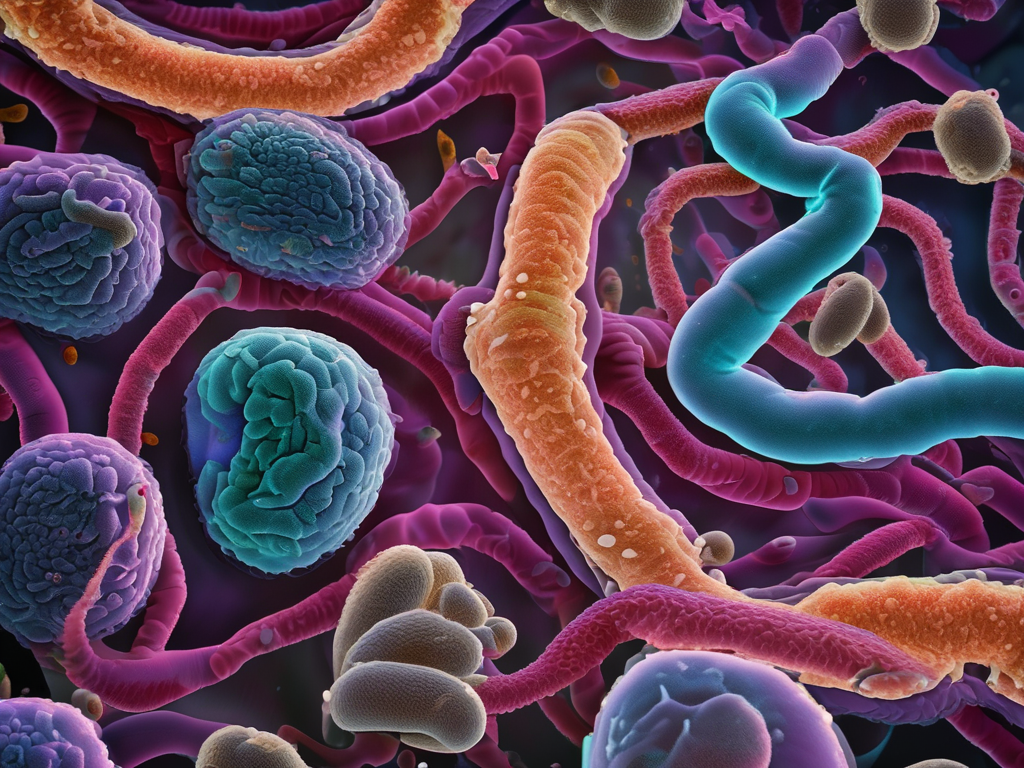
When we are sick or have an upset stomach, our gut bacteria, also known as the gut microbiota, play a crucial role in protecting our body and maintaining health through various mechanisms:
the gut microbiota acts as a critical line of defense, working synergistically with our body’s immune system to protect against infections, maintain gut integrity, and promote overall health. Maintaining a healthy and diverse gut microbiota through a balanced diet, rich in fiber and probiotics, can support these protective functions.
Competition with Pathogens**: Gut bacteria compete with harmful pathogens for nutrients and attachment sites on the intestinal lining. By outcompeting these pathogens, beneficial bacteria help prevent them from establishing and causing infections.
Production of Antimicrobial Substances**: Certain gut bacteria produce antimicrobial peptides, bacteriocins, and other substances that directly inhibit the growth of harmful microbes. These antimicrobial compounds can neutralize or kill pathogenic bacteria, viruses, and fungi.
Strengthening the Gut Barrier**: The gut microbiota help maintain the integrity of the intestinal barrier, which prevents harmful substances and pathogens from entering the bloodstream. They promote the production of mucus and tight junction proteins, which enhance the barrier function of the gut lining.

Modulation of the Immune System**: Gut bacteria interact with the immune system to modulate its responses. They help in the development and function of immune cells, such as T cells and macrophages, and promote the production of antibodies. This helps the body mount an effective immune response against pathogens while maintaining tolerance to beneficial microbes.
Fermentation of Dietary Fiber**: Gut bacteria ferment dietary fibers to produce short-chain fatty acids (SCFAs) like butyrate, acetate, and propionate. SCFAs have anti-inflammatory properties, nourish colon cells, and support overall gut health. Butyrate, in particular, is a key energy source for colon cells and helps maintain the gut lining.
Detoxification**: Some gut bacteria can metabolize and detoxify harmful compounds, including toxins and carcinogens, reducing their potential damage to the body.
Reduction of Inflammation**: By producing SCFAs and other anti-inflammatory compounds, gut bacteria can help reduce inflammation in the gut and other parts of the body. Chronic inflammation is linked to various diseases, so this regulatory effect is crucial for overall health.
Balancing Gut pH**: The fermentation process carried out by gut bacteria results in the production of SCFAs, which lower the pH in the colon. A lower pH creates an unfavorable environment for many pathogenic bacteria, thereby inhibiting their growth.
In summary, the gut microbiota provides a comprehensive protective set against illness and upset stomachs through competitive exclusion, antimicrobial production, barrier strengthening, immune modulation, fiber fermentation, detoxification, inflammation reduction, pH balancing, and nutrient synthesis. Maintaining a healthy and diverse gut microbiota is crucial for these protective mechanisms to function effectively.
 Amalshalsblogg.com