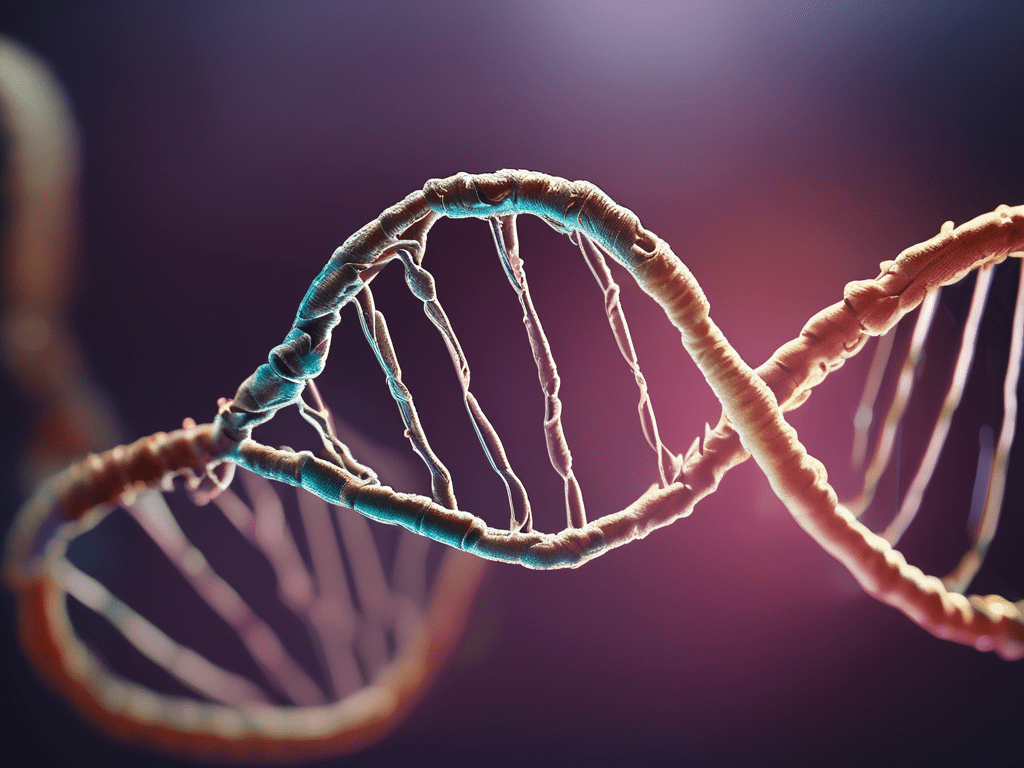

genes play a crucial role in how we age, and it’s one of the main reasons why people around the world look so different and age differently.
Genes are an important puzzle in aging and our unique appearance.
However, it is important to remember that genes are not the only factor that matters. Environmental factors and lifestyle also have a big impact on how we age and how we look.
Appearance: Genes determine our physical characteristics, such as eye color, hair color, skin tone, face shape, and build. These traits are inherited from our parents and are unique to each individual. Health conditions: Genes also affect our susceptibility to various diseases and health problems that can occur with age. Some people have a genetic predisposition to cardiovascular disease, cancer, or other age-related diseases.
Hair growth: Genes determine hair color, hair thickness, and even hair loss. Hair loss is a common sign of aging, but genetics play a large role in how early and to what extent it occurs. Skin aging: Genes affect the skin’s structure, elasticity, and ability to repair itself. Some people age faster than others due to genetic factors, leading to wrinkles, spots, and other signs of aging.
Metabolism: Genes affect our metabolism, which in turn affects our weight and how we store fat. A slow metabolism can lead to weight gain, while a fast metabolism can make it harder to gain weight.
Why do we look so different even though we have a lot in common genetically?
Although we humans share a large part of our DNA, it is clear that we look very different. There are several reasons for this:
Genetic Variation: Although we share much of our DNA, there is also great variation between individuals. These variations arise through mutations and recombination during reproduction. It is these small differences in our genetic material that give rise to the large differences in our appearance.
Environmental factors: In addition to genes, environmental factors also play a big role in how we develop and look. Diet, exercise, sleep, stress, and exposure to sunlight are just a few examples of environmental factors that can affect our appearance. For example, a person who grows up in a sunny climate may develop a darker skin tone compared to a person who grows up in a colder climate.
Epigenetics: Epigenetics is about how genes are expressed, without changing the DNA sequence itself. Environmental factors can affect how genes are expressed, which in turn can affect our appearance and health.
Random: Some of the variation in our appearance is simply random. For example, random variations in embryonic development can lead to small differences in facial features.
Our appearance results from a complex interaction between our genes and our environment. Although we share much of our DNA with other people, the small differences in our genetic material and the environmental factors we are exposed to make us unique.
 Amalshalsblogg.com