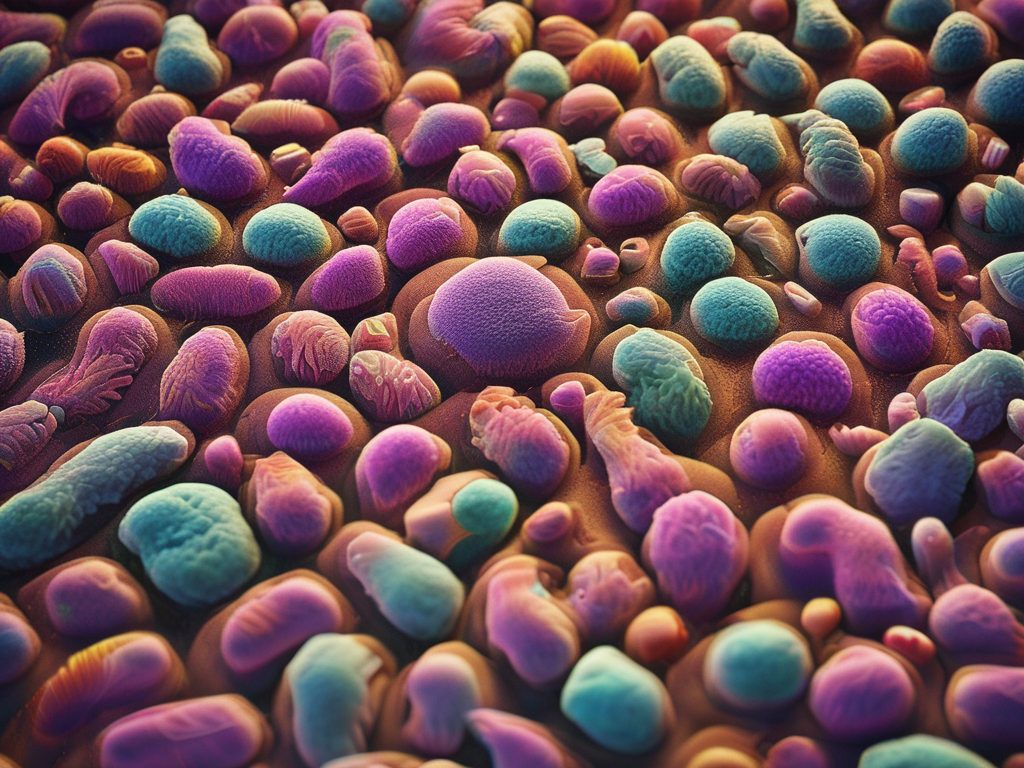
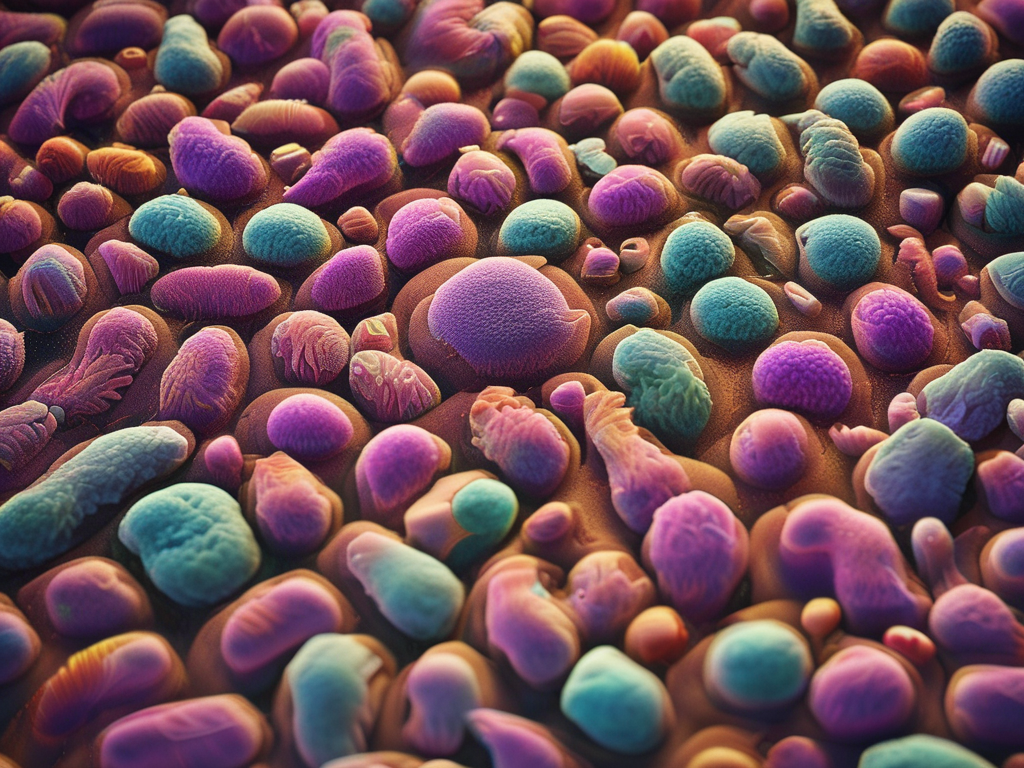
Research has shown that there may be a link between gut bacteria and food addiction. The intestinal flora, or microbiome, significantly impacts various aspects of our health, including our metabolism, immune systems, behavior, and mental health. Here are some ways in which gut bacteria can affect food addiction:
Mechanisms behind the clutch
Production of neurotransmitters:
Intestinal bacteria can produce and influence the levels of neurotransmitters such as serotonin, dopamine, and gamma-aminobutyric acid (GABA), all of which play important roles in the regulation of mood, reward, and appetite.
Dopamine is essential in the reward system in the brain and is linked to feelings of pleasure and satisfaction when consuming certain foods.
Modulation of hunger hormones:
The intestinal flora can affect the secretion of hormones such as leptin and ghrelin, which regulate hunger and saturation feelings.
An imbalance in these hormones can lead to increased appetite and a tendency to overeat especially calorie-dense and sugar-containing foods.
Inflammation and metabolism:
Dysbiosis, or an imbalance in the intestinal flora, can lead to low-grade inflammation in the body. Inflammation is linked to insulin resistance and other metabolic disorders that can affect how the body processes and stores fat.

This, in turn, can contribute to weight gain and increased risk of obesity, which is often associated with food addiction.
Connection to mood and stress:
The intestinal brain axis describes the communication path that exists between the intestine and the brain. Disorders in this shoulder can affect mood and stress levels.
People with stress or anxiety may be more likely to use food as a coping mechanism, which can lead to food addiction.
Research example
Studies on animal models:
Studies on mice have shown that changes in the intestinal flora can affect their food behavior. Mice with an unbalanced intestinal flora showed increased appetite and preference for oily and sweet food.
Studies on people:
One study showed that people with obesity had a different composition of gut bacteria compared to normal-weight individuals. Those with obesity had higher levels of bacteria associated with an increased ability to extract energy from food.
Research has also shown that gut bacteria can affect psychological factors that are linked to food addiction, such as anxiety and depression.
Practical implications
Probiotics and prebiotics:
Consumption of probiotics (live bacteria) and prebiotics (fibers that benefit the growth of beneficial bacteria) can contribute to a healthier intestinal flora and potentially reduce the risk of food addiction.
Foods such as yogurt, kefir, sauerkraut, and kimchi are natural sources of probiotics, while foods such as bananas, oatmeal, and onions contain prebiotics.
Diet and lifestyle:
A balanced diet rich in fiber, fruits, vegetables, and whole grains can promote healthy gut flora.
Regular exercise and management of stress through techniques such as meditation and yoga can also have positive effects on the intestinal flora and thus reduce the risk of food addiction.
Gut bacteria play an important role in the regulation of appetite, metabolism, and mood, which means they can affect food addiction. By maintaining a healthy intestinal flora through diet, probiotics, prebiotics, and lifestyle choices, one can potentially reduce the risk of food addiction and improve overall health.
 Amalshalsblogg.com