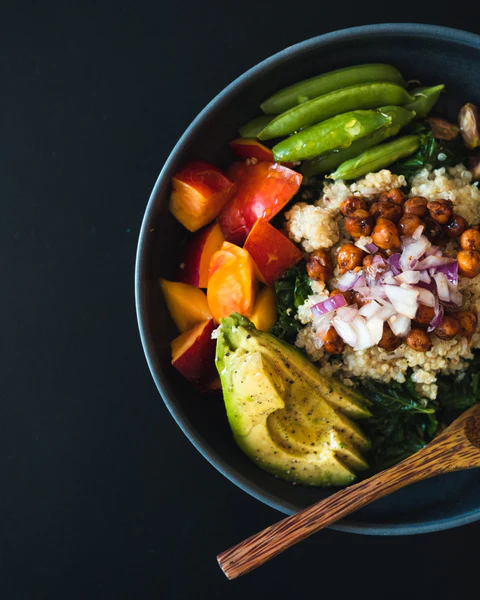
Many people doubt that a purely vegan diet can be healthy.
Whether a vegan diet can be healthy is a question that is often debated, and many people doubt its health benefits. However, there is extensive research that shows that a well-planned vegan diet can be very healthy and provide all the necessary nutrients.
Although a vegan diet can be healthy, it requires careful planning to ensure you are getting all the necessary nutrients. Here are some of the most critical nutrients to consider:
Vitamin B12: Found mainly in animal products, so vegans need to take supplements or eat fortified foods.
Vitamin D: Can be difficult to get enough from the diet, especially in winter, so supplements may be necessary.

Omega-3 fatty acids: Found in flaxseeds, chia seeds, and walnuts, but it can be difficult to get enough of the long-chain omega-3 fatty acids, so algae oil supplementation may be considered.
Iron: Non-heme iron from plants is more difficult for the body to absorb than heme iron from meat, so vegans should include iron-rich foods and consume them with vitamin C to improve absorption.
Calcium: Found in fortified plant-based milk products, tofu, and vegetables such as broccoli and kale.
Protein: Can be easily met through a varied diet that includes legumes, nuts, seeds, and whole grains.
On reflection, the vegan diet offers you many significant benefits. The prerequisite is that you know exactly what the food is and that you eat consistently vegan. If so, and you’ve practiced a balanced vegan diet, you can eat vegan, healthy, and low-calorie simultaneously. This means that a vegan diet can even help you lose weight. Purely plant-based foods have also been shown to make you feel better overall and reduce the risk of chronic disease
Heart disease: A vegan diet is often rich in fiber, antioxidants, and healthy fats, contributing to lower cholesterol levels and a reduced risk of cardiovascular disease.
Diabetes: Vegan diets can help improve blood sugar levels and insulin sensitivity, reducing the risk of type 2 diabetes.
Cancer: A diet rich in fruits, vegetables, and whole grains can reduce the risk of certain types of cancer, according to research from the American Institute for Cancer Research.
Weight control:
Vegan diets tend to be lower in calorie density, which can help with weight management and prevent obesity.
Digestive health:
Fiber from plant-based foods improves gut health prevents constipation and reduces the risk of diverticular disease.
A vegan diet can absolutely be healthy and even have several benefits over a non-vegan diet. However, it is important to plan the diet carefully and be aware of potential deficiencies to ensure that all nutritional needs are met. By being aware and proactive, one can avoid nutritional deficiencies and enjoy the health benefits that a vegan lifestyle can offer
 Amalshalsblogg.com